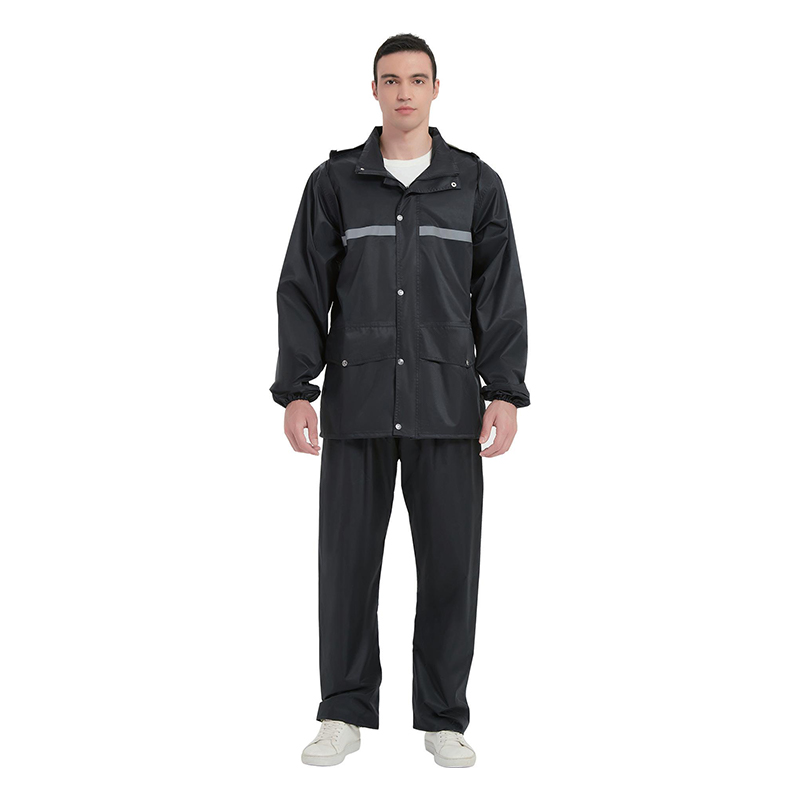
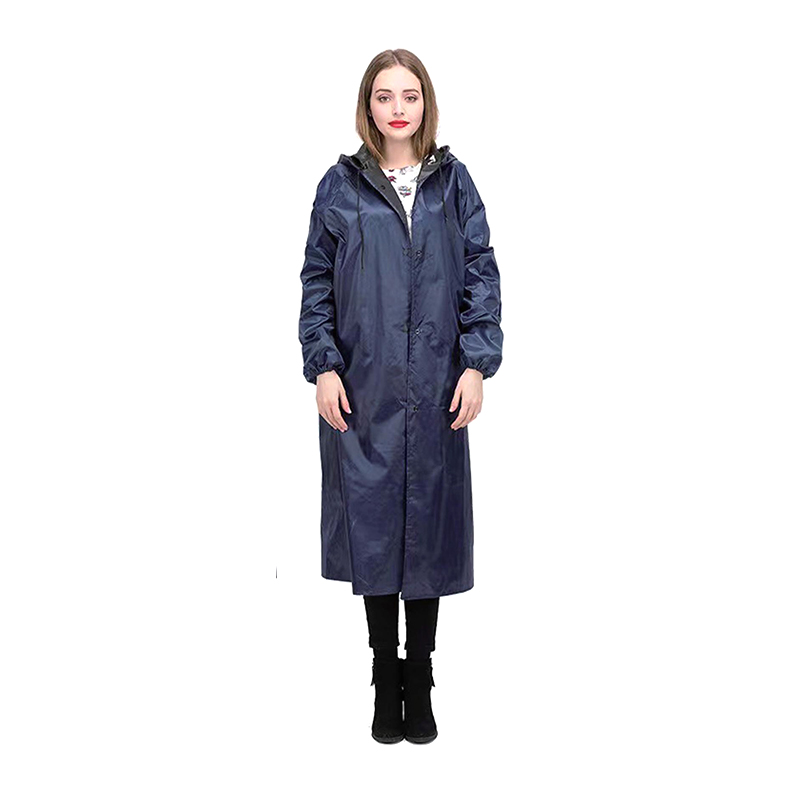
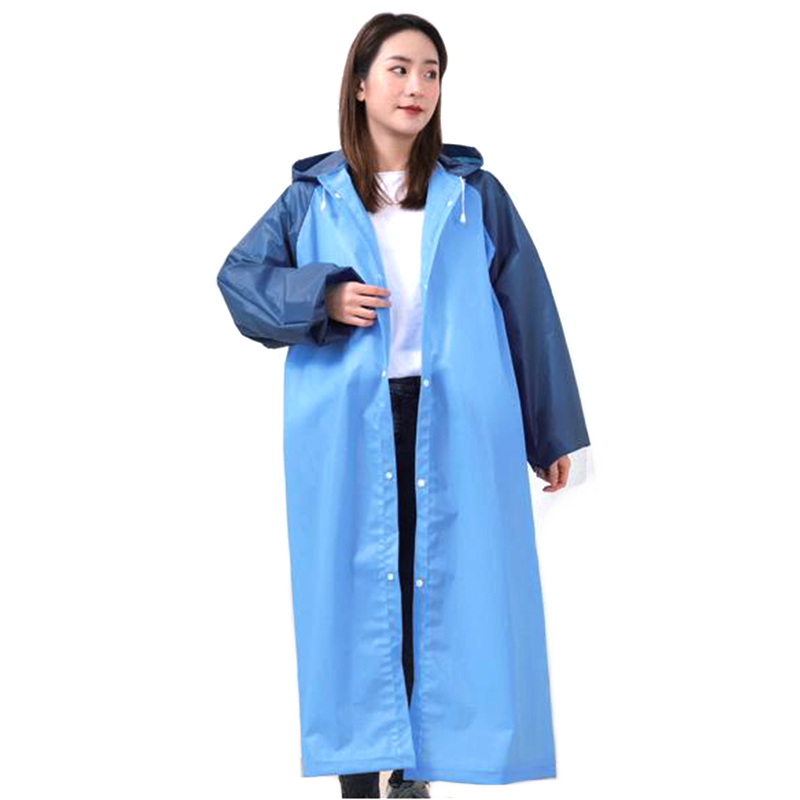
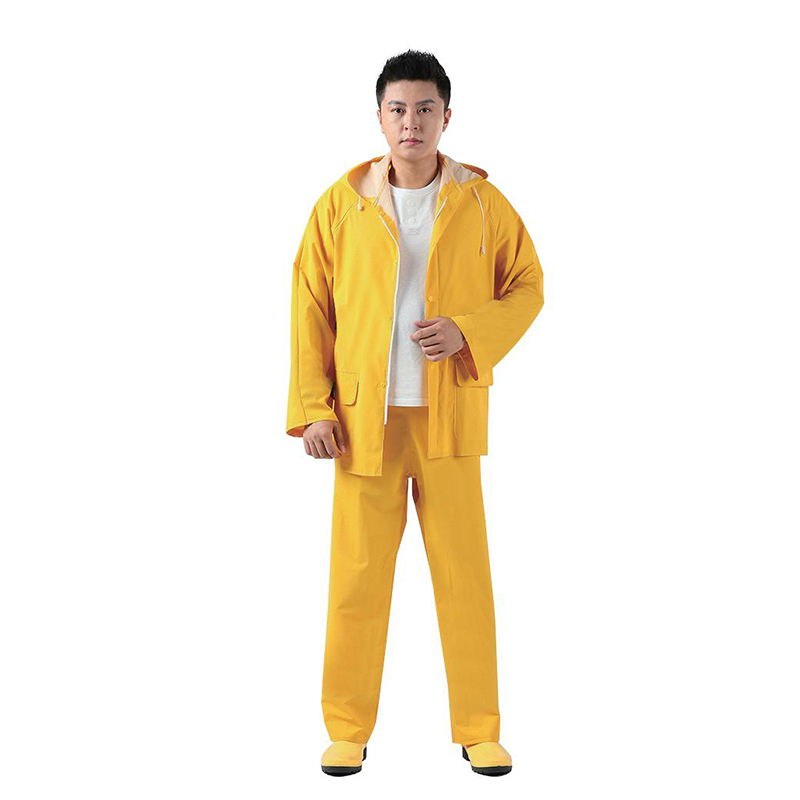
Setiap keputusan membeli bermula dengan sampel. Hamparkan sut baju hujan plastik di atas meja dan anda biasanya boleh mengetahui dalam masa 30 saat sama ada ia akan bertahan dalam syif kerja basah atau runtuh selepas hari pertama. Kekakuan filem, kemasan pada jahitan, bau bahan, dan cara tudung diletakkan di atas topi keras adalah isyarat cepat. Sut baju hujan plastik yang baik bukan sekadar kepingan filem kalis air; ia adalah peralatan pelindung diri yang dipasang dengan teliti. Bagi kebanyakan pembeli industri, perbandaran dan luar, baki yang tepat ialah sut PVC atau plastik bertetulang dengan jahitan bertutup haba, penutupan yang boleh dipercayai dan reka bentuk yang dipadankan dengan kerja.
Mengapa Saman Baju Hujan Plastik Masih Penting untuk Kerja dan Kegunaan Kecemasan
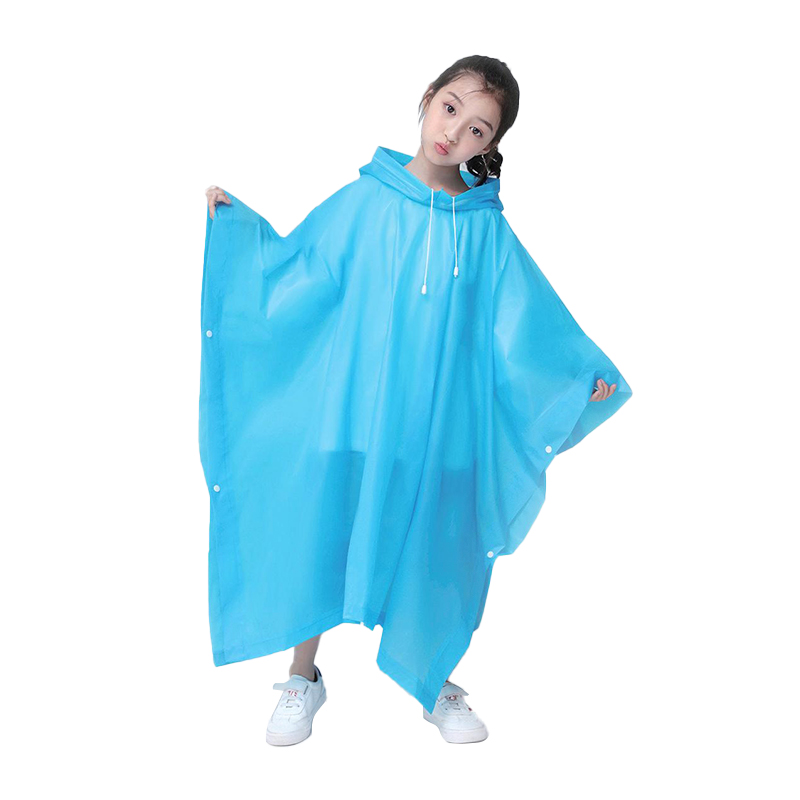
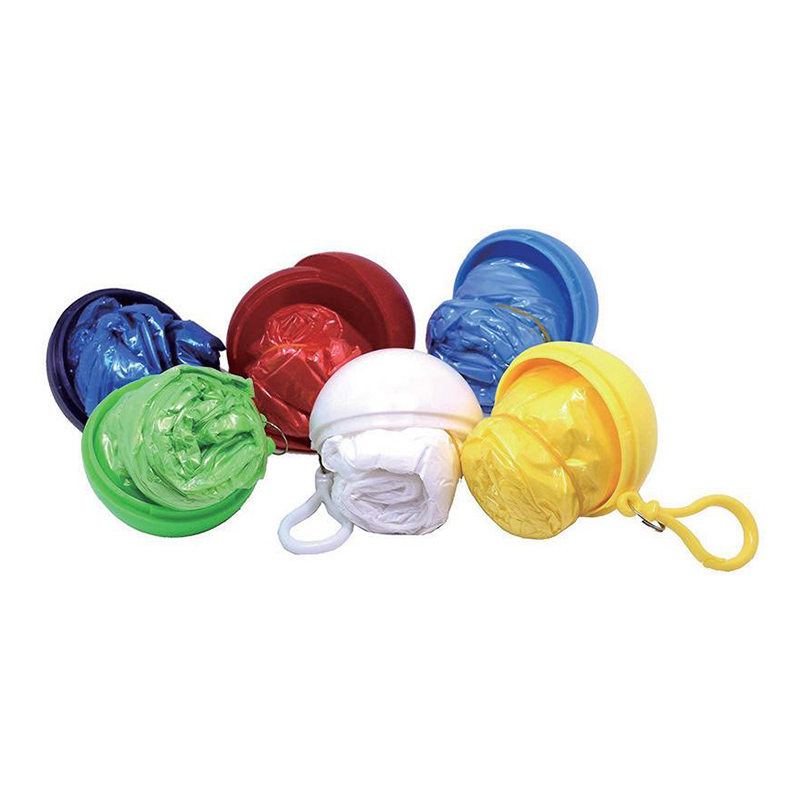
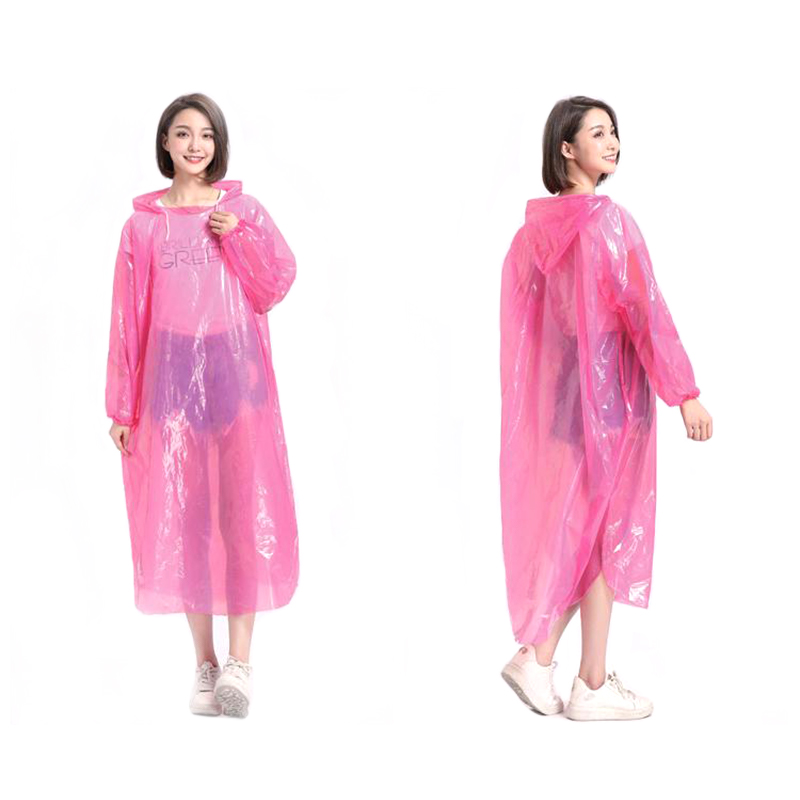
Sut baju hujan plastik sering diketepikan sebagai barang buang murah, tetapi ia masih menduduki sebahagian besar pasaran pakaian pelindung. Sebabnya mudah: mereka menyediakan kalis air lengkap pada harga yang membolehkan pasukan menggantikannya sebelum kebersihan atau kehausan menjadi masalah. Baju hujan PE pakai buang berguna untuk kegunaan kecemasan, perjalanan dan acara sehari. Saman baju hujan PVC, bagaimanapun, adalah lebih berat dan lebih tahan lama, dan ia boleh tahan terhadap pendedahan berulang kepada hujan, lumpur, minyak dan banyak bahan kimia industri.
Dalam situasi di mana kebolehnafasan penting, baju hujan fabrik dengan jahitan berpita adalah lebih baik. Tetapi bagi pekerja yang berdiri di bawah hujan lebat di dok pelabuhan atau berjalan di tapak pembinaan yang ditenggelami air, keutamaan adalah penghalang antara badan dan cuaca. Itulah sebabnya kategori baju hujan plastik terus ditentukan melalui pengedar, pengimport dan tender kerajaan di seluruh dunia.
Bahan Baju Hujan Plastik: PE, PVC dan EVA Berbanding
Untuk memilih sut baju hujan plastik dengan baik, bandingkan tiga polimer yang paling kerap digunakan: PE, PVC dan EVA. Setiap satu mempunyai kos, rasa dan hayat berguna yang berbeza. Jadual di bawah ialah titik permulaan praktikal untuk pembelian pukal.
| bahan | Ketebalan filem biasa | Ketahanan | Rasa dan berat | Aplikasi terbaik |
|---|---|---|---|---|
| PE (polietilena) | 0.008 - 0.03 mm | Rendah; sekali guna atau guna semula terhad | Cahaya bulu; berkerut | Baju hujan pakai buang, kecemasan, acara |
| PVC (polivinil klorida) | 0.12 - 0.30 mm | Tinggi; penggunaan harian berulang | Berat, padat, tahan minyak | Pakaian kerja, pertanian, perikanan, pembinaan |
| EVA (etilena-vinil asetat) | 0.12 - 0.25 mm | Sederhana-tinggi | Lembut, fleksibel, lebih ringan daripada PVC | Komuter dan pakaian hujan luar |
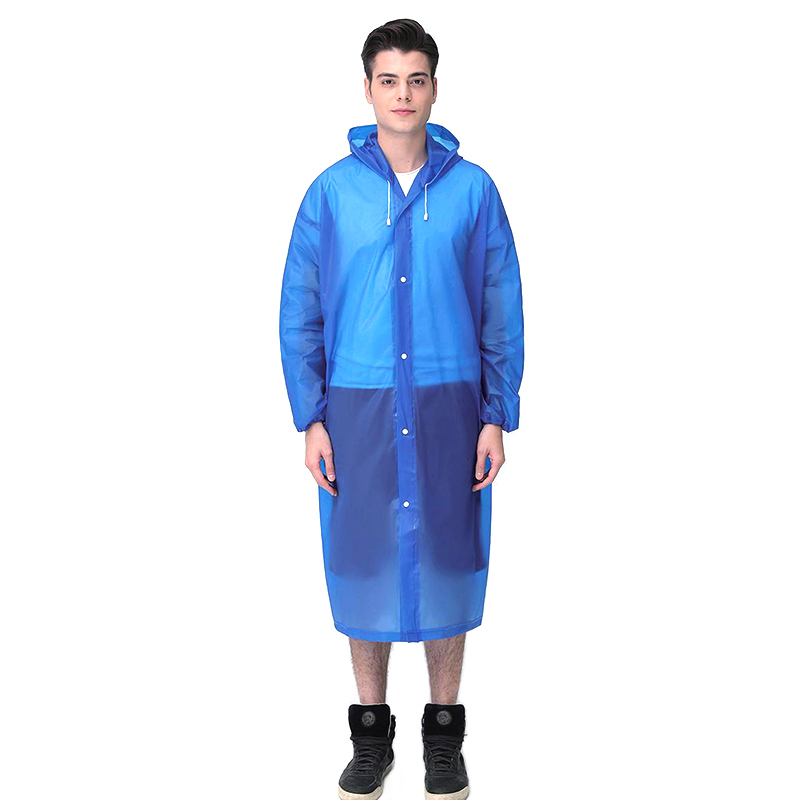
Dalam katalog komersial, istilah sut baju hujan plastik biasanya bermaksud pakaian PVC. PVC boleh dirumus dengan pemplastik untuk kekal fleksibel dalam cuaca sejuk, dan ia boleh dilaminasi pada fabrik poliester untuk kesesuaian yang lebih disesuaikan. EVA juga merupakan plastik dan semakin banyak digunakan untuk baju hujan pengguna kerana ia berasa kurang bergetah dan tidak melekat pada kulit. Jika anda mahukan pecahan peringkat produk, kami EVA berbanding PVC perbandingan baju hujan merangkumi pertukaran dengan lebih terperinci.
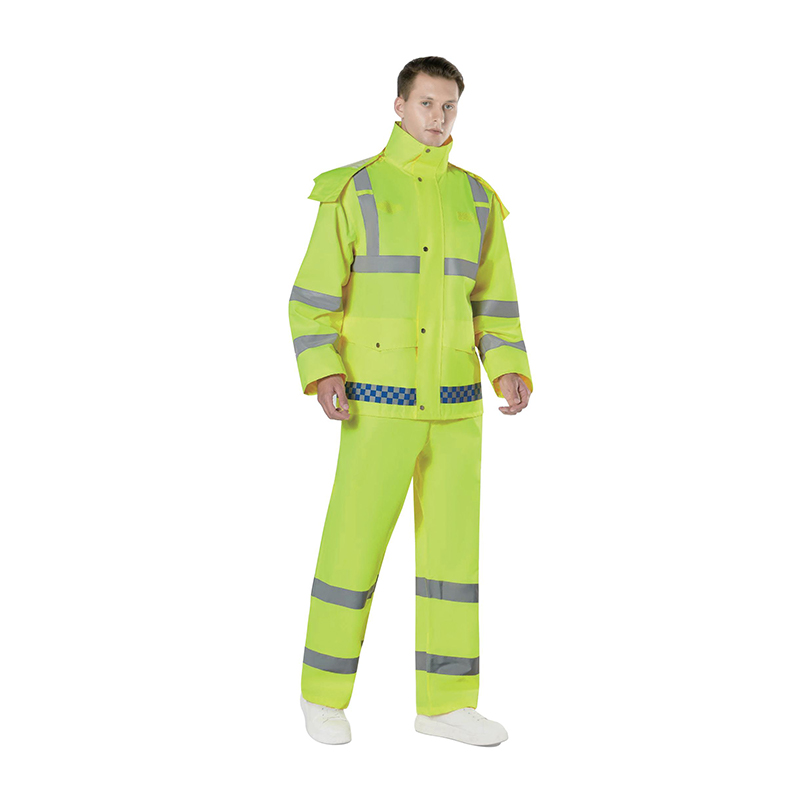
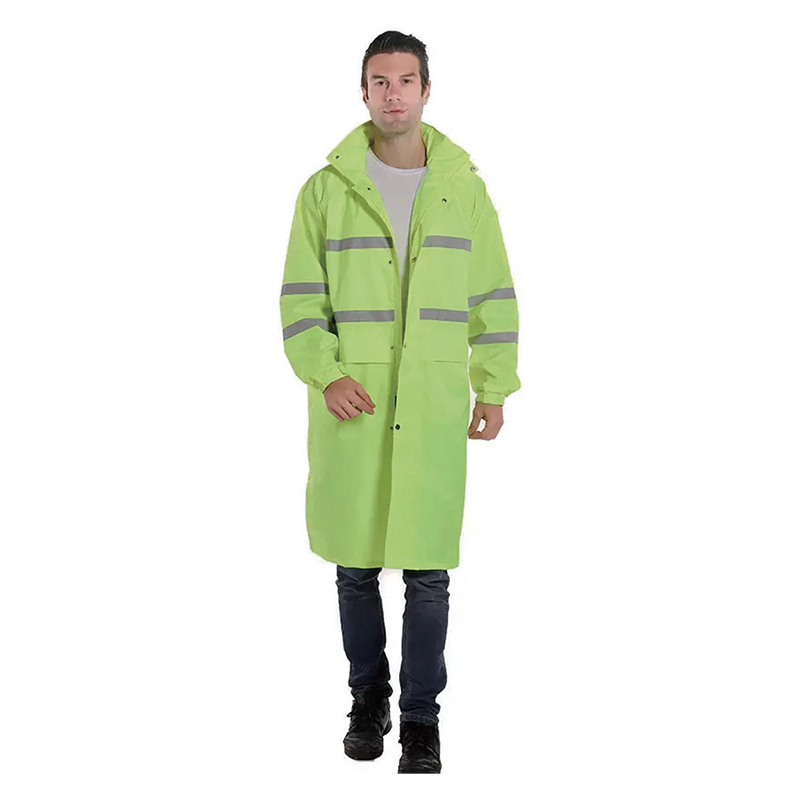
Untuk kru yang bekerja berhampiran lalu lintas pada waktu malam, permukaan pemantulan tidak menjadi pilihan. A Sut baju hujan PVC dengan garis pemantul menggabungkan filem PVC kalis air dengan pita keterlihatan tinggi, itulah sebabnya sut ini mendominasi tender perbandaran. Kimpalan frekuensi tinggi mengelak jahitan, dan filem 0.18 mm kekal cukup fleksibel untuk perubahan penuh dalam cuaca sejuk.
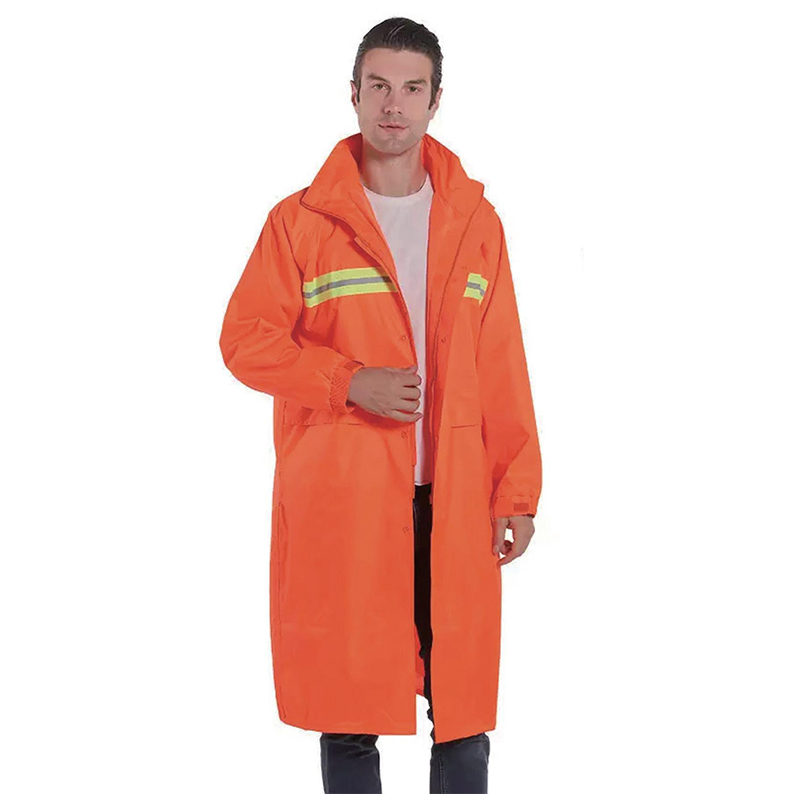 Saman Baju Hujan PVC Borong Dengan Garis Reflektif Kilang, Pengilang - Yan C Yan Cheng Makku PPE. Co., Ltd ialah kilang Baju Hujan PVC borong China Dengan Garis Reflektif dan Sut Baju Hujan PVC Dengan Li... Lihat Produk →
 Perkara yang Perlu Diperiksa Sebelum Membeli Sut Baju Hujan Plastik Secara Pukal
Sebaik sahaja anda mengetahui keluarga material, langkah seterusnya ialah pemeriksaan. Berikut ialah empat semakan kualiti yang mendedahkan lebih daripada helaian spesifikasi.
- Berat dan rasa bahan. Ketebalan adalah pembolehubah yang paling jelas. Sut 0.18 mm akan bertahan lebih lama daripada filem 0.08 mm. Minta gram tepat bagi setiap meter persegi atau milimeter dalam spesifikasi anda. Jika pembekal tidak dapat menjawab, anggap itu sebagai tanda amaran.
- Teknologi jahitan. Kimpalan frekuensi tinggi adalah standard untuk baju hujan PVC kerana ia menggabungkan filem tanpa lubang jarum. Jahitan yang dijahit, walaupun dengan pita jahitan, membolehkan air mengalir melalui lubang jarum. Kilang kami mengendalikan lebih daripada 60 mesin frekuensi tinggi, yang memastikan kualiti kimpalan konsisten merentas kuantiti pesanan yang banyak.
- Potong dan saiz. Sut hendaklah dimuatkan di atas jaket peribadi dan but kerja tanpa menarik di celah kelangkang atau mengikat di bahu. Semak carta saiz, terutamanya untuk pengendali yang lebih besar. Lihat hud: ia sepatutnya cukup dalam untuk melindungi leher dan boleh laras di sekeliling muka.
- Penutupan dan trim. Snap, zip dan manset boleh laras selalunya gagal sebelum filem itu gagal. Lubang butang yang diperkukuh, penyepit logam anti-karat, dan kepak ribut di atas zip adalah tanda produk yang lebih baik. Jika anda membeli barang pakai buang PE, butiran ini kurang penting, tetapi untuk sut PVC boleh guna semula ia membuat perbezaan antara produk 10 hari dan produk 10 bulan.
Tempat Sut Baju Hujan Plastik Selalunya Digunakan
Pekerjaan yang berbeza menekankan sifat yang berbeza. Saman baju hujan plastik yang betul untuk satu sektor boleh menjadi salah sama sekali untuk yang lain.
Kerja Pembinaan dan Perindustrian
Pekerja tuangan konkrit, krew rebar dan dok pemuatan memerlukan sut yang tahan lelasan, habuk simen dan minyak. A saman baju hujan PVC kalis air untuk dewasa dengan siku bertetulang dan hud lebar adalah spesifikasi tipikal. Sut itu perlu mudah dibersihkan kerana filem pembinaan menjadi kotor dengan cepat, dan kitaran penggantian yang singkat dijangka dalam persekitaran yang keras.
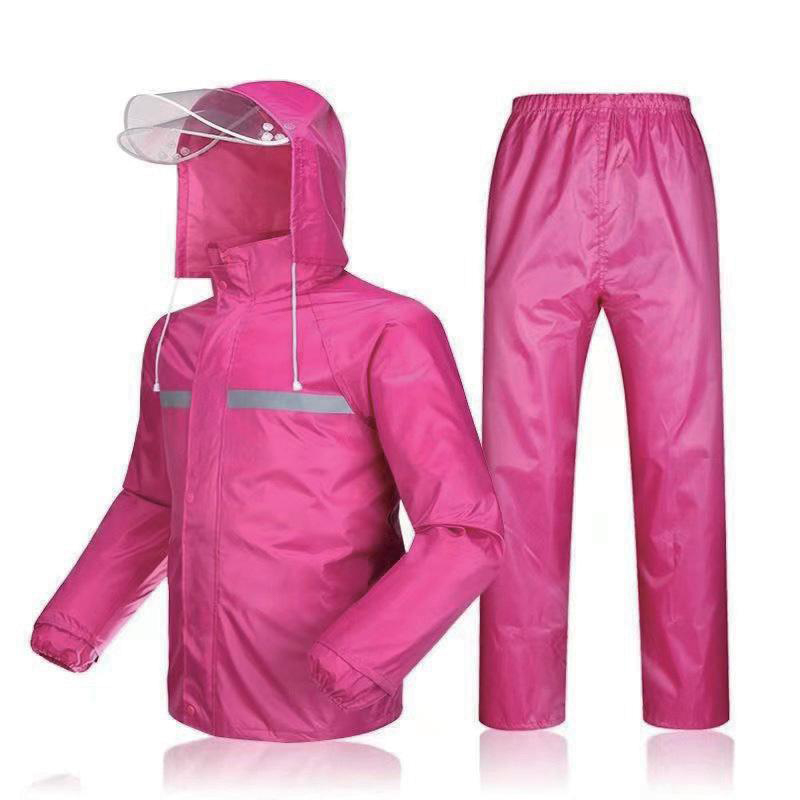 Saman Baju Hujan PVC Kalis Air Borong Untuk Kilang Dewasa, Pengilang - Yan Ch Yan Cheng Makku PPE. Co., Ltd ialah China borong Saman Baju Hujan PVC Kalis Air Untuk Kilang Dewasa dan Saman Baju Hujan PVC Kalis Air Untuk Adul... Lihat Produk →
 Pertanian, Perikanan, dan Operasi Marin
Ladang ikan, pasar basah dan operasi pelabuhan mendedahkan pakaian kepada air pada setiap syif. Dalam tetapan ini, keseluruhan sehelai selalunya lebih baik daripada sepasang jaket dan seluar kerana ia mengurangkan jurang tempat air menitis masuk. Set baju hujan PVC nilon untuk nelayan adalah satu contoh: sandaran nilon menambah kekuatan koyakan manakala lapisan PVC luar kekal kalis air sepenuhnya. Wader dada neoprena dan wader pinggul adalah alternatif apabila pengguna masuk ke dalam air, bukannya hanya berdiri dalam hujan.
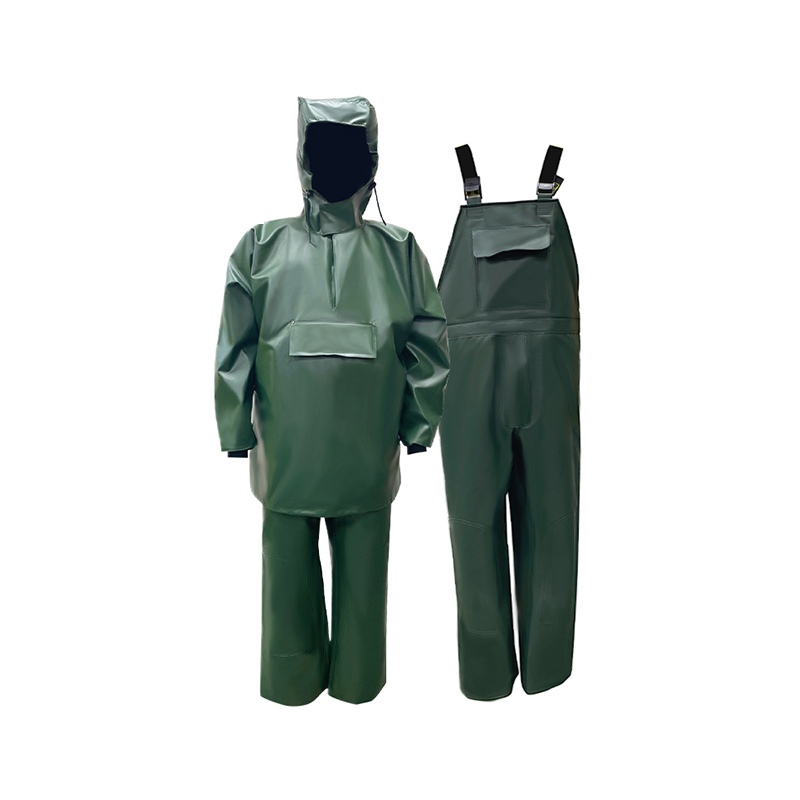 Borong Memancing Berkualiti Tinggi Guna Set Seluar Hujan PVC Nylon untuk Nelayan Yan Cheng Makku PPE. Co., Ltd ialah borong China Memancing Berkualiti Tinggi Menggunakan Baju Hujan PVC Nilon Set Overall untuk Nelayan Kalis Air 0.5 mm... Lihat Produk →
 Perkhidmatan Perbandaran, Sanitasi dan Kecemasan
Pasukan pembersihan jalanan, krew tindak balas banjir dan pekerja utiliti memerlukan sut yang boleh dipakai dengan cepat menggunakan pakaian seragam. Reflektif menjadi sebahagian daripada sistem keselamatan. Sut garis pemantul yang disebut sebelum ini adalah pilihan biasa kerana ia mengendalikan kedua-dua hujan tetap dan pendedahan trafik cahaya malap.
Penggunaan Pengguna dan Ulang-alik
Sut baju hujan plastik juga berfungsi sebagai peralatan komuter kos rendah. Penunggang yang duduk di atas motosikal dalam mandi tiba-tiba mahukan sesuatu yang kecil dan berjalan dengan pantas. Ponco PE pakai buang menampung keperluan ini untuk penunggang sekali-sekala, manakala baju hujan EVA menawarkan pilihan yang lebih lembut dan lebih padat untuk kegunaan harian. Perbezaannya ialah sama ada anda memerlukan satu penggunaan setiap minggu atau satu penggunaan setiap musim.
Cara Bekerja Dengan Pengeluar Baju Hujan Plastik
Dalam pembelian B2B, produk itu hanya separuh cerita. Kapasiti pengeluaran dan kawalan kualiti pembekal menentukan sama ada 1,000 saman yang anda terima sepadan dengan sampel yang anda luluskan.
Pengilang dengan kilangnya sendiri boleh mengawal bahan filem, masa mengimpal, corak pemotongan dan pemeriksaan akhir. Sebagai contoh, kemudahan kami di Yancheng menjalankan 10 barisan pengeluaran dengan lebih daripada 60 mesin kimpalan frekuensi tinggi dan lebih 200 pekerja, menghasilkan volum yang stabil untuk pengimport di Amerika Syarikat, India dan pasaran eksport lain. Kilang itu juga menyimpan pasukan kawalan kualiti yang berdedikasi di atas lantai, jadi kegagalan jahitan dan kecacatan salutan ditangkap sebelum karton dimeteraikan.
Kebanyakan pembeli memerlukan beberapa tahap penyesuaian, sama ada logo bercetak, warna khas atau saiz yang dilaraskan. Sebuah kilang langsung boleh mengendalikan perubahan ini tanpa lapisan komunikasi tambahan syarikat perdagangan. Untuk pesanan tender atau penambahan semula, hantar spesifikasi dan minta ulasan tentang berat bahan, kaedah jahitan dan pembungkusan. Hubungi pasukan eksport kami untuk meminta sampel atau sebut harga.
Satu lagi perkara: harga sekeping penting, tetapi kadar kecacatan lebih penting. Saman kos rendah yang terbelah pada jahitan selepas lima minit di tapak membebankan anda dalam pemulangan, masa henti dan reputasi. Kira jumlah kos setiap jam boleh guna, bukan hanya harga unit. Perlu membayar beberapa sen lebih untuk filem yang kekal fleksibel dalam cuaca sejuk dan jahitan yang tahan apabila pekerja membongkok dan meregang.
Bawa pulang adalah mudah. Sut baju hujan plastik ialah produk berfungsi, dan prestasinya datang daripada pemilihan bahan, kualiti jahitan dan data pembekal yang jujur. Mulakan dengan sampel. Minta ketebalan filem dan kaedah kimpalan. Kemudian pilih pengeluar yang boleh menghasilkan pada skala anda tanpa menukar bahan secara senyap. Jika anda berbuat demikian, pasukan anda kekal kering, rekod pemeriksaan anda kekal bersih dan belanjawan perolehan anda dibelanjakan untuk perlindungan yang sebenarnya melindungi.